Ultimate Guide to Packing Your Hospital Bag for Mom and Baby
Preparing for the arrival of a new baby is exciting, but it can also feel overwhelming. One of the best ways to reduce stress and feel ready is by packing your hospital bag ahead of time. Having everything you and your baby need within reach can make your hospital stay smoother and more comfortable. This guide will walk you through the essential items to pack for both mom and baby, explain why early preparation matters, offer tips for personalizing your bag with comfort items, and suggest the best timeline for packing.
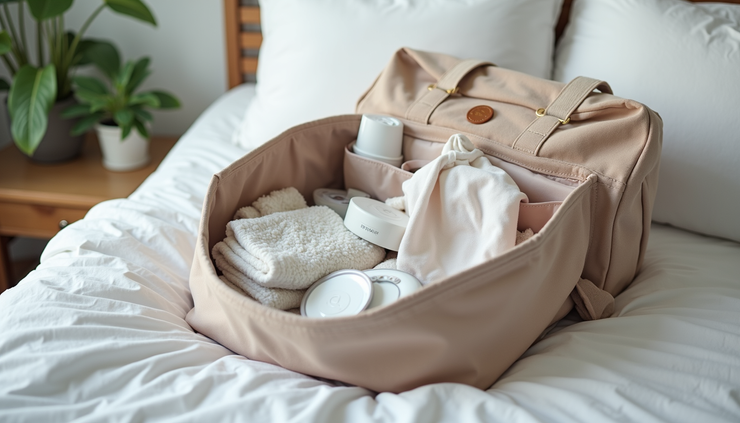
Why Packing Your Hospital Bag Early Matters
Waiting until the last minute to pack your hospital bag can lead to forgotten items and added stress during an already emotional time. Labor can start unexpectedly, and having your bag ready means you can leave for the hospital without delay or worry. Early preparation also gives you time to gather everything you need, double-check your list, and add any last-minute items.
Being prepared ahead of time helps you focus on what really matters: welcoming your baby and taking care of yourself. It also allows your partner or support person to know where everything is, making the hospital experience smoother for everyone.
Essential Items for Mom
Packing for yourself is just as important as packing for your baby. Here’s a list of must-have items to include in your hospital bag:
Comfortable clothing
Pack loose, breathable clothes like a nightgown or pajamas with front openings if you plan to breastfeed. Include a robe and slippers for walking around the hospital.
Toiletries
Bring travel-sized shampoo, conditioner, body wash, toothbrush, toothpaste, hairbrush, and any skincare products you use daily. Hospitals provide basics, but having your own items adds comfort.
Maternity pads and underwear
The hospital will supply some, but packing your preferred brand or style can make you feel more comfortable.
Nursing bras and breast pads
If you plan to breastfeed, nursing bras and disposable or washable breast pads are essential.
Phone and charger
Keep your phone handy for communication and capturing those first moments. A portable charger can be useful if outlets are limited.
Important documents
Include your ID, insurance card, hospital paperwork, birth plan, and any medical records your doctor recommends.
Snacks and water bottle
Labor can be long, and hospital food schedules vary. Pack light snacks and a refillable water bottle to stay energized and hydrated.
Lip balm and moisturizer
Hospitals can be dry, so these small items help keep you comfortable.
Going-home outfit & Comfort Blanket
Choose something loose and comfortable for the trip home, keeping in mind you might still feel swollen.
Why You Should Pack Cash in Your Hospital Bag
While most hospital expenses are handled through insurance and billing, having small amounts of cash on hand can make labor, delivery, and postpartum recovery much smoother for you and your support person.
1. Parking Fees Add Up Quickly
Some hospitals charge for parking garages, valet services, or extended stays. During labor, the last thing your partner wants is to scramble for payment options.
2. Vending Machines Don’t Always Take Cards
Long labors can mean late-night hunger. Some vending machines still only accept cash, especially in older hospital wings.
3. Cafeteria or Coffee Runs
Your partner, doula, or family members may need quick access to food, coffee, or snacks without dealing with card issues.
4. Emergency Last-Minute Purchases
Forgot toiletries? Need an extra phone charger, medications, or baby essentials from a nearby store? Cash can make quick errands easier.
5. Tipping Services
Depending on the hospital, your family may use valet parking, luggage assistance, or food delivery services where tipping may be appropriate.
6. Technology Can Fail
Card readers go down. Phones die. Apps glitch. Labor is not the ideal time to troubleshoot payment problems.
A good rule of thumb :
$20 in small bills for vending/snacks
$40–$60 for parking
Extra emergency cash if traveling far from home
Most families find $50–$100 total is plenty.
Essential Items for Baby
Your newborn will need a few key items to stay cozy and safe during the hospital stay and the journey home:
Clothing
Pack a few onesies, sleepers, and a going-home outfit. Choose soft, easy-to-put-on clothes in newborn or 0-3 month sizes.
Blankets
Bring a warm receiving blanket and a swaddle blanket to keep your baby snug.
Diapers and wipes
Hospitals usually provide these, but having a small pack of newborn diapers and wipes can be handy.
Hat and socks
Newborns lose heat quickly, so a soft hat and socks help keep them warm.
Car seat
Install the car seat ahead of time and bring the base if needed. Hospitals will not let you leave without one properly installed.
Pacifier
If you plan to use one, pack a pacifier to soothe your baby.
Tips for Personalizing Your Hospital Bag
Adding personal touches to your hospital bag can make your stay more comfortable and calming. Here are some ideas:
Favorite pillow or blanket
Bringing a familiar pillow or blanket can help you relax and feel more at home.
Music or podcasts
Load your phone or tablet with playlists, podcasts, or audiobooks that help you stay calm or entertained.
Photos or mementos
A small photo or keepsake can provide emotional support during labor.
Essential oils or lotion
If you find certain scents soothing, pack a small bottle of essential oil or lotion.
Comfortable socks or slippers
Hospitals can be cold, so cozy footwear helps keep your feet warm.
Eye mask and earplugs
These can help you rest better in a busy hospital environment.
When to Pack Your Hospital Bag
Timing is key to avoid last-minute stress. Most experts recommend packing your hospital bag by 34 to 36 weeks of pregnancy. This gives you a buffer in case your baby arrives early.
If you’re expecting multiples, have a history of early labor, or live far from the hospital, consider packing even earlier. Keep your bag in an easy-to-grab spot so you can leave quickly when the time comes.
Once packed, review your bag every few weeks to adjust for the season or any new needs. For example, if your due date is in winter, add warmer clothes; if summer, lighter fabrics.
Final Thoughts on Packing Your Hospital Bag
Packing your hospital bag is a simple step that can make a big difference in your birth experience. By preparing early and including essentials for both you and your baby, you reduce stress and create space to focus on the joy of welcoming your little one.
Remember to personalize your bag with items that bring comfort and calm. Keep your bag ready by the recommended timeline so you can head to the hospital with confidence.
Take a deep breath, trust your preparation, and get ready for one of life’s most amazing moments.


Comments